
Expert Core Web Vitals Services.
At Genesis Agency, we specialize in optimizing websites to meet the rigorous standards set by Google’s Core Web Vitals. Our team of experienced consultants focuses on improving loading speed, interactivity, and visual stability, ensuring your website not only performs better but also ranks higher in search results.
- Years of expertise in web performance optimization.
- Proven results in improving Core Web Vitals for diverse industries.
- Tailored solutions for each website’s unique challenges.
- Cutting-edge tools and techniques for web optimization.
- Dedicated client support and ongoing performance tracking.

Why Do You Need Core Web Vital Services for Your Website?.
Core Web Vitals are essential for optimizing the performance and user experience of your website. Here's why you need Core Web Vital services for your site:
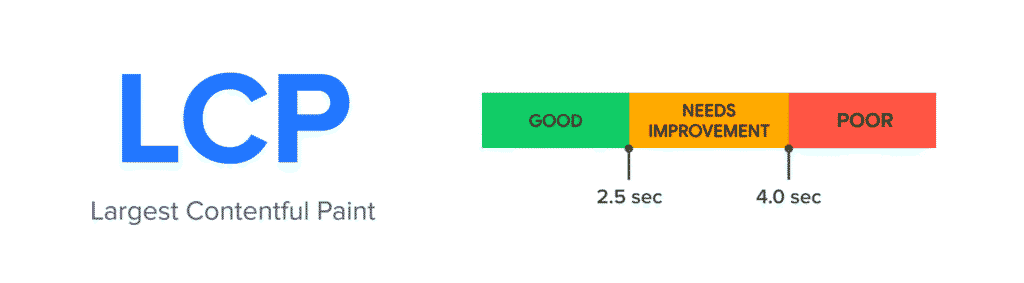
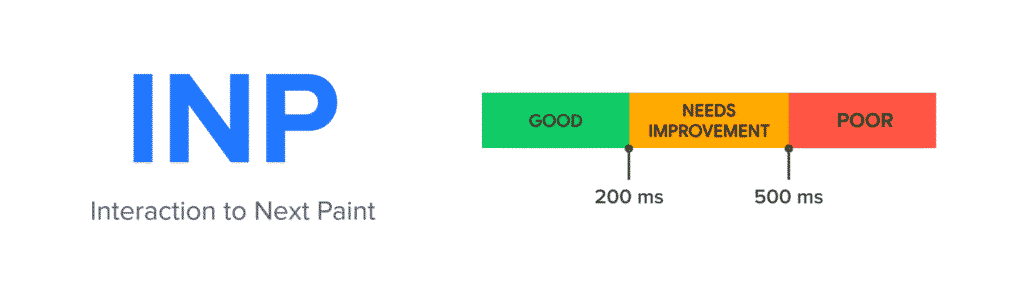
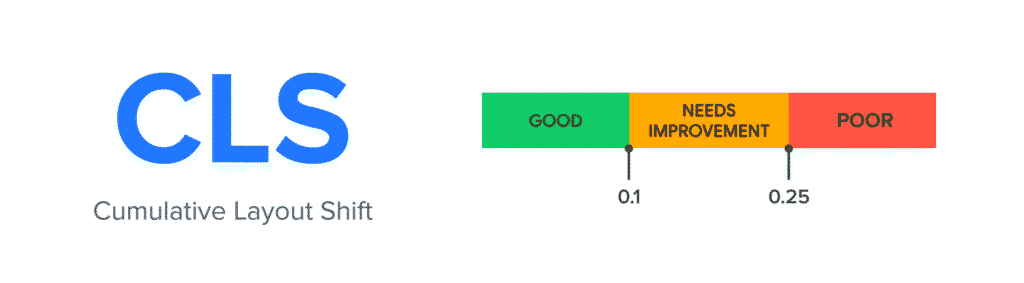
- Improve User Experience: Core Web Vitals focus on three key metrics—Largest Contentful Paint (LCP), First Input Delay (FID), and Cumulative Layout Shift (CLS). Optimizing these improves page load speed, responsiveness, and visual stability, which are crucial for a seamless user experience.
- SEO Rankings: Google considers Core Web Vitals as part of its ranking algorithm. Websites that score well in these metrics are more likely to rank higher in search engine results, driving more organic traffic.
- Reduce Bounce Rates: Websites that load quickly and are easy to navigate reduce the chances of users leaving the site early. A smooth, engaging experience keeps visitors on your site longer, leading to lower bounce rates and higher conversions.
- Boost Conversions: By enhancing the loading speed and interactivity, Core Web Vital optimizations can directly impact your conversion rates. Users are more likely to engage with and purchase from sites that perform well.
- Stay Competitive: As more businesses focus on enhancing their web performance, keeping up with Core Web Vitals ensures your website remains competitive in both SEO and user experience.

At Genesis Digital Agency, we spark bold beginnings with creative strategy and smart solutions.